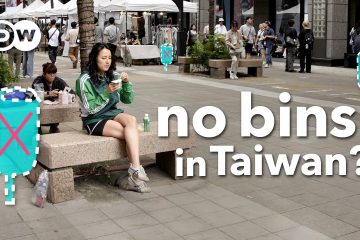
There are almost no public trash cans in Taipei. This is due to a “pay-as-you-throw” policy where citizens must buy specific bags for general waste, while recycling is free. This approach encourages waste sorting and reduces the volume sent to incinerators.
The law created an immediate financial incentive for every household to sort their waste rigorously. If you don’t recycle, you pay more. The nightly ritual of the “singing garbage trucks” enforces this policy. Playing Beethoven’s “Für Elise,” these yellow trucks summon residents to the street five nights a week to hand-deliver their sorted waste. It’s a community event that adds a layer of social pressure—nobody wants to be the neighbor caught throwing recyclables in the expensive trash bag.
Taiwan also built an economic engine fueled by Extended Producer Responsibility (EPR). By imposing taxes on manufacturers, Taiwan established a stabilization fund that ensures recyclers remain profitable, irrespective of fluctuations in the global market.
“Pay-as-you-throw” hit the wallet and transformed the country from a polluted mess in the 90s to a global green leader today. It turns out, the best way to change human behavior isn’t just to ask nicely—it’s to put a price tag on waste.
Watch more about the psychology of “Pay-As-You-Throw” here: https://www.youtube.com/watch?v=-YnYwWiSiuE